
How to Plan a Trip to Italy: A step-by-step guide to choosing regions, structuring your itinerary, and planning meaningful travel experiences.
It’s been a while, but I still remember the overwhelm that goes into planning a vacation in Italy. From when and where to go, what to see, how to get around…it’s exhausting! And, the truth is, my travel business grew out of the idea of helping would-be travelers navigate the process of planning a trip to Italy with more clarity and confidence.
So, I’m trying to condense it all together with a guide that takes you through key steps to consider when planning a trip to Italy – from choosing regions and structuring your itinerary to deciding what kind of travel planning support might be helpful.
In this Guide:
- How to Start Planning Your Trip to Italy
- Where to Go in Italy
- When to Visit Italy: Weather, Holidays & Annual Events
- Mapping Your Italy Trip
- Structuring Your Italy Itinerary
- Planning Experiences in Italy
- When You May Need a Rental Car
- Common Travel Planning Mistakes
- How Far in Advance to Plan a Trip to Italy
- Different Ways to Plan a Trip to Italy
- Final Thoughts

How to Start Planning Your Trip to Italy
If you wonder how to start planning a trip to Italy, the process usually begins with a few key decisions.
- Step 1 Decide when to travel: Season influences everything from weather and crowds to the availability of experiences such as truffle season or harvest in wine regions.
- Step 2 Choose one or two regions: Italy may look compact on the map, but travel time between destinations adds up quickly. Most travelers enjoy their trip more when they focus on one region or combine two nearby areas.
- Step 3 Identify your travel priorities: Decide what you have in mind: food and wine experiences, historic cities, countryside landscapes, coastal destinations, or outdoor activities. These all shape the type of itinerary and help you build out your days with a natural flow.
- Step 4 Begin structuring your itinerary: Once you know the regions and priorities, you can begin organizing your route, deciding how many nights to spend in each destination, and identifying experiences you may want to reserve in advance.
Where to Go in Italy
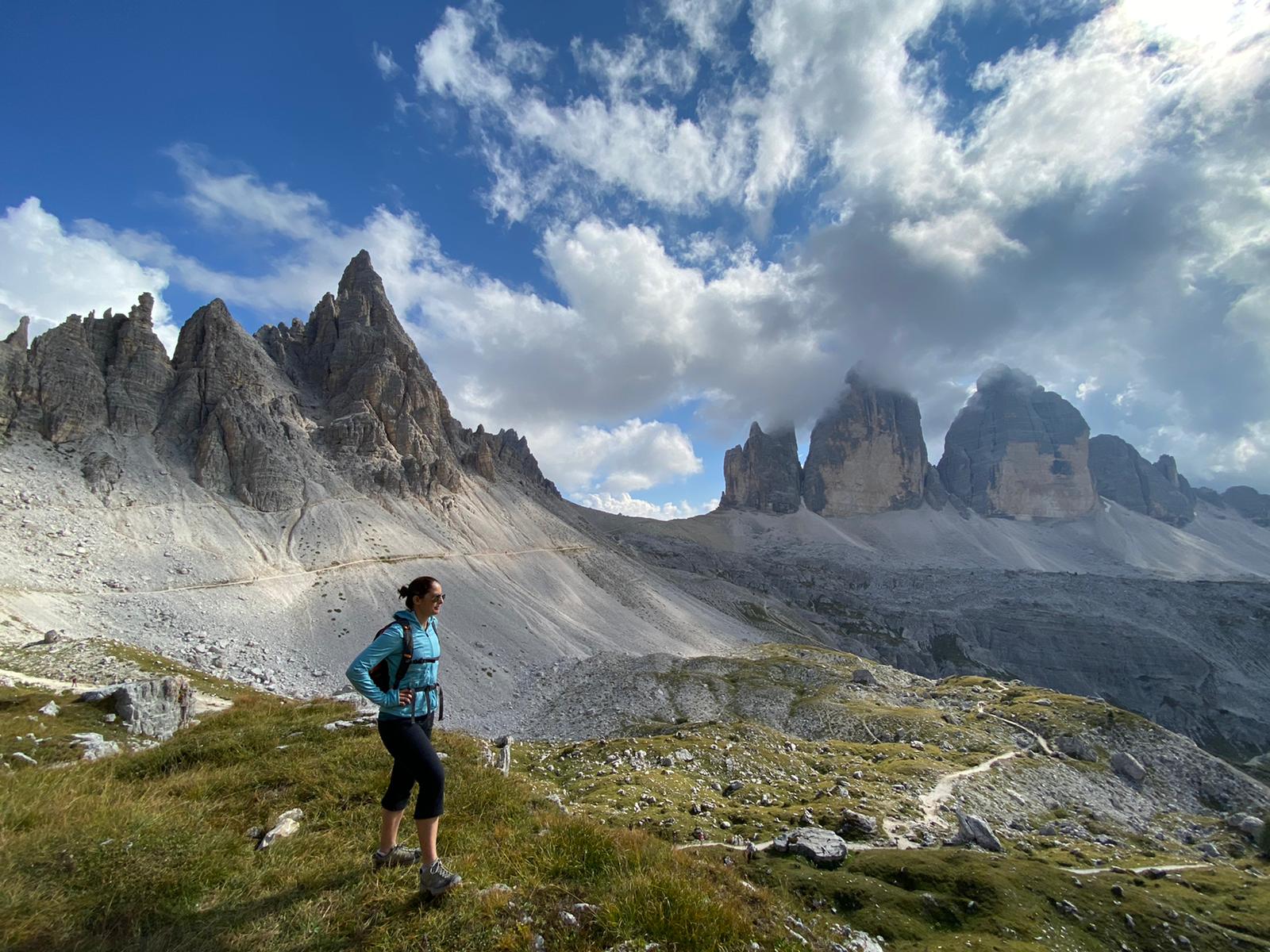
Italy may look small on the map, but it’s made up of 20 regions, each with its own culture, cuisine, and traditions. With so many options, one of the first steps in planning a trip to Italy is deciding where to focus your time.
Rather than trying to see the entire country in one trip, most travelers enjoy Italy more when they concentrate on one section of the country: northern Italy, central Italy, southern Italy, or the islands.
Italy’s train system connects major cities well, but travel between regions can still take time. For example, traveling the length of the country from Milan in the north to Lecce in southern Puglia takes about nine hours by train. Sicily and Sardinia are usually easiest to reach by a short flight from the mainland.
Choosing a geographic focus helps reduce travel time and allows you to spend more time enjoying the places you visit rather than moving between them.
| Valerie’s Planning Tip: Many travelers try to see too much in one trip.
My recommendations for a more enjoyable pace:
My rule of thumb is one free day for every 3 days of activities. |
Northern Italy
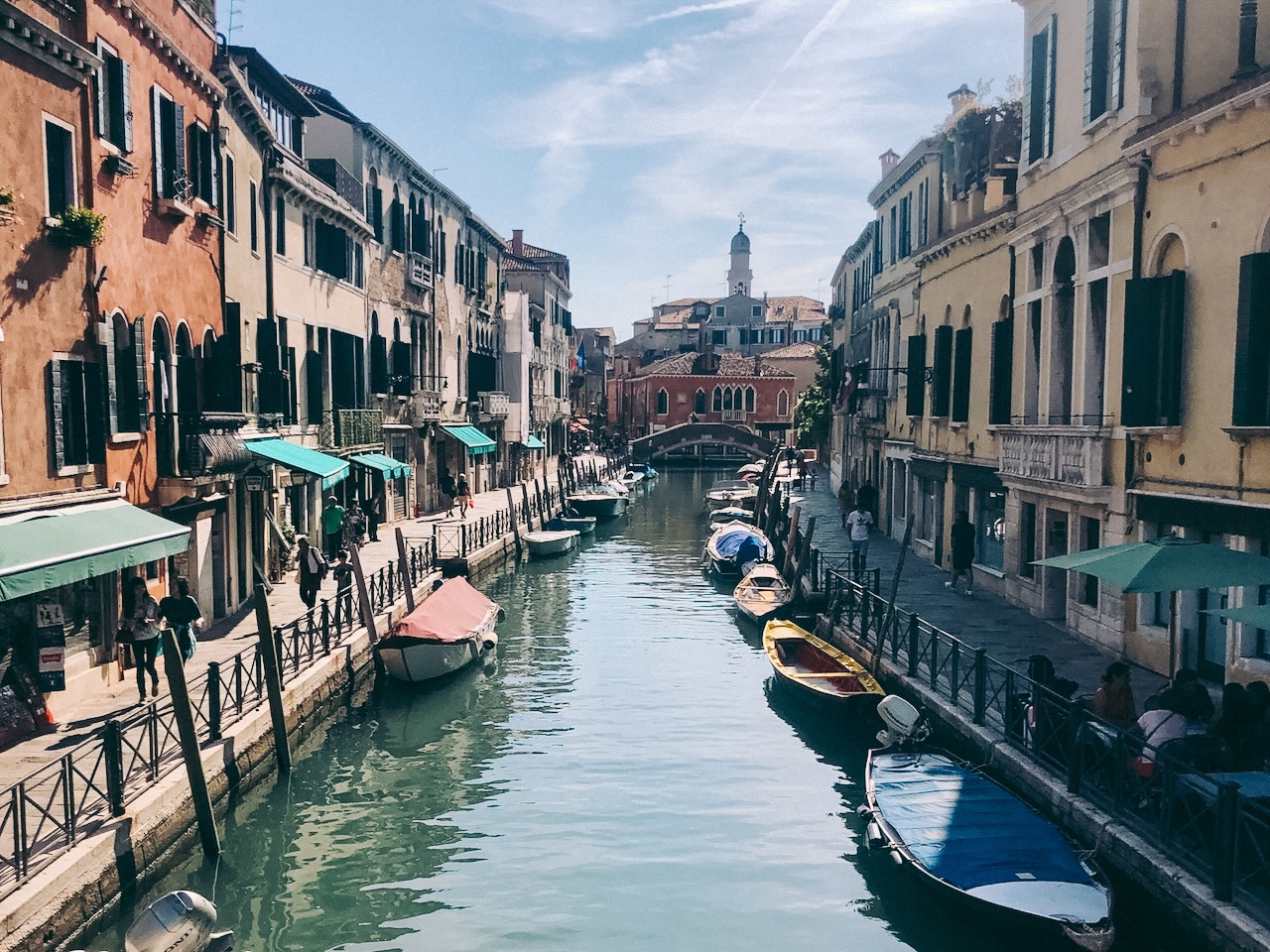
Northern Italy is known for elegant cities, world-class wine regions, dramatic mountains, and some of Italy’s most celebrated food traditions. Major cities include Milan, Turin, Venice, and Bologna, each offering easy access to nearby wine regions, countryside towns, and coastal destinations.
Highlights include:
- Piedmont: I’m a little biased because it’s my adopted home! The area is known for Barolo wine, truffles, and slower-paced countryside travel
- Veneto: Ah, the charm of Venice, its romantic canals and history in every corner and artisan shop make it magical beyond the hype. And, I’ve been doing vibrant Verona since my early Italy travel days, making wine country visits and not missing the idyllic nearby lake regions.
- Emilia-Romagna: The region’s food mecca has become a recent favorite discovery of the kiddo and I. Food, history, and architecture have long been a calling card of Emilia Romagna, but don’t miss the wines and countryside!
- Liguria: The Italian Riviera offers sparkling waters, beach time, trekking, amazing food and wine, and space to breathe. Being close to my home in Barolo, it’s a place I escape to whenever possible. Sometimes, even just for a day trip.
- Valle d’Aosta: I adore Italy’s smallest region, tucked into the Alps and bordering France and Switzerland. Known for alpine scenery, castles, and access to Mont Blanc, it’s a hidden gem. The kiddo particularly likes it for the fondue!
Northern Italy works well for travelers interested in combining cities with wine regions and food-focused experiences.
Central Italy
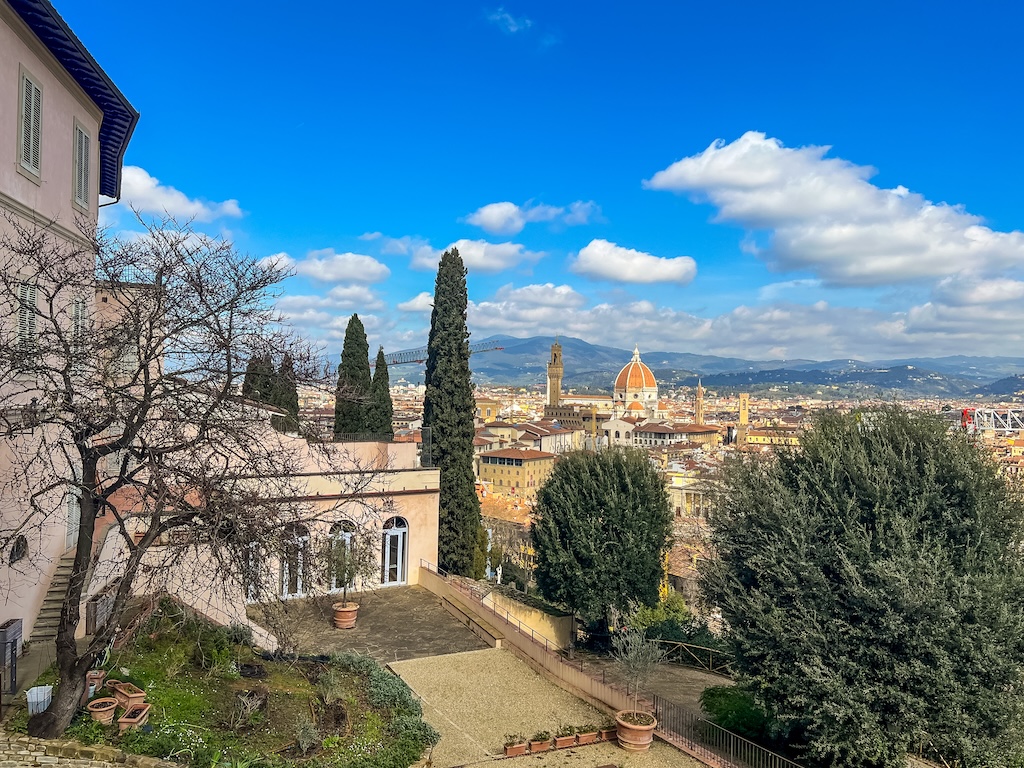
Central Italy is often what travelers imagine when they picture the Italian countryside — rolling hills, historic towns, vineyards, and Renaissance cities.
Key regions include Tuscany, Umbria, Lazio, and Le Marche, with major cities such as Florence, Rome, and Pisa.
Highlights include:
- Tuscany: Sigh, I never tire of Florence and wine country, and hidden Tuscany is worth some time. Tuscany is chalked with iconic landscapes, historic towns, and world-famous wines
- Umbria: An amazing – and often more cost-effective – alternative to touristy Tuscany. But with its rustic villages, truffles, and powerful wines like Sagrantino, it’s anything but a knock-off of its neighbor.
- Lazio: Gritty Rome with all its magic and energy is the anchor of Lazio, but don’t miss the quieter countryside areas and coastal escapes.
- Le Marche: On my to-do list for wine and sea, this lesser-known region boasts beautiful Adriatic coastline and tantalizing white wines.
Central Italy is ideal for travelers interested in art, culture, and classic Italian countryside scenery.

Southern Italy and the Islands
Southern Italy offers dramatic coastlines, ancient history, and a slower pace of travel. I’m particular to Sicily myself, but there is so much more to explore!
Regions include Campania, Puglia, Basilicata, Calabria, and the islands of Sicily and Sardinia.
Highlights include:
- Sicily: The sun-drenched south stole my heart more than a decade ago and I’ve been back nearly a dozen times since. The dramatic landscapes, volcanic wines, and rich cultural history make it an intoxicating visit.
- Matera: Early in my expat days, I spent an entire month in this remarkable cave city carved into limestone cliffs. The history is epic with so much to explore in the haunting city and beyond.
- The Amalfi Coast: Think spectacular coastal scenery and colorful villages with delicious food and fascinating culture and history.
- Puglia: Don’t miss the whitewashed towns, olive groves, and Adriatic beaches.
Southern Italy tends to feel more seasonal than northern regions, with many coastal towns operating primarily between spring and early autumn.
Once you’ve decided where to travel, the next step is understanding when to visit Italy, since seasonality, holidays, and cultural events can significantly shape the experience.

When to Visit Italy: Weather, Holidays & Annual Events
Italy is a year-round destination, but the best time to visit varies significantly depending on the region, weather patterns, holidays, and major cultural events.
Rather than thinking about a single best time to visit Italy, it’s more helpful to understand seasonal effects. Weather influences outdoor activities and coastal destinations, holidays affect opening hours and travel patterns, and large cultural events can quickly drive up hotel prices and restaurant demand.
For example, in Verona, Opera season and Vinitaly (Italy’s international wine trade show) bring a surge of visitors. During these periods, lodging prices rise significantly and dining reservations become harder to secure.
Before finalizing your itinerary, it’s always worth checking whether major festivals, trade shows, or cultural events coincide with your travel dates. Local tourism websites are usually the best source for this information.
Italian holidays also play an important role in travel planning. Italians take holidays and time off seriously, and many businesses close on national holidays, especially in smaller towns and rural areas. Major tourist cities like Rome or Florence usually remain active, but quieter regions may slow down considerably.
Several national holidays can affect travel schedules across Italy. If your trip overlaps with one of these dates, it’s wise to plan reservations ahead of time and allow some flexibility in your schedule.
Italian National Holidays That May Affect Travel
- March or April: Easter Weekend and Pasquetta (Easter Monday): Good Friday and Easter Sunday are widely observed, but Monday’s Pasquetta is often the day when many Italians head outdoors for BBQs and day trips. As a result, businesses may.
- April 25: Liberation Day
- May 1: Labor Day
- June 2: Republic Day
- August 15: Ferragosto: One of Italy’s most important holidays. Many Italians take extended vacations around this date, often heading to the coast or mountains. Cities can feel quieter while beach destinations become extremely busy.
- November 1: All Saints’ Day
- December 8: Feast of the Immaculate Conception
- December 25: Christmas
Winter Holidays in Italy
The Christmas season in Italy runs through New Year’s and continues to the Epiphany on January 6. During this period, many cities host Christmas markets, concerts, and festive celebrations.
After the holidays, some hotels and restaurants, particularly in smaller destinations, temporarily close between January and March for seasonal breaks or renovations. Major cities remain active, but certain countryside or coastal areas can feel much quieter during the winter months.
| Valerie’s Planning Tip: Don’t Miss Italy in Autumn
If your trip centers around food and wine, autumn can be one of the most rewarding times to visit Italy. Harvest season fills wine regions with activity, and seasonal ingredients like truffles, mushrooms, and chestnuts appear on menus across the country. |
Mapping Your Italy Trip
Once you start planning a trip to Italy, narrowing down where to go is one of the most important early planning decisions.
A helpful step when planning your Italy itinerary is to begin mapping how destinations connect geographically. Doing this allows you to understand the functionality of getting between regions. Destinations may seem close, but not all are easy to access, so that affects both how you travel between regions as well as the time it takes.
Many international airlines offer multi-city flight bookings, which makes planning a trip to Italy much easier. For example, you might fly into Milan and depart from Rome rather than returning to the same city.
Within Italy, travelers typically move between destinations using:
- Rental cars or transfer services to transfer between destinations or for time in rural areas not easily serviced by public transportation
- High-speed trains connecting major cities
- Regional trains reaching smaller towns
- Domestic flights with airlines such as ITA Airways or Ryanair
When planning a multi-region itinerary, mapping travel routes early helps you create a smoother, more relaxed travel schedule.
Valerie’s Planning Tip: My go-to Tools To Map an Italy Itinerary
Use these tools together to quickly understand connections between different destinations – what is and isn’t possible, how much time you actually need, etc. |
Structuring Your Italy Itinerary
When planning your Italy itinerary, think about how destinations connect geographically.
For example:
- Florence pairs well with Tuscany’s wine regions like Chianti and Montalcino, but don’t miss the Tuscan Coast!
- Piedmont easily combines with Liguria or Milan, and if you like the mountains, the Valle d’Aosta is worth the climb!
- Emilia-Romagna works well with Florence or Venice with easy fast trains connecting the regions!
Try to avoid itineraries that require long travel days between each stop. A slower pace allows more time for local restaurants, vineyard visits, and exploring smaller towns.
Valerie’s Planning Tip: How to Organize A Trip to Italy
Start with three simple questions:
From there you begin building an itinerary that balances travel time with time to truly experience each destination. |
Planning Experiences in Italy
The experiences often become the highlight of a trip to Italy. So, be thoughtful in how you plan them so you don’t overdo it. Sensory overload in the land of la dolce vita is a legit thing.
Depending on the region, travelers might include:
- Wine experiences in regions like Barolo or Tuscany: Wine tours are the obvious choice, but to help clients get a better taste of the area and culture, I often include more unique wine-related experiences for my clients. Things like specialty pairing experiences (blind tasting with a winemaker anyone?), e-bike or trekking that combines food and wine stops, themed pairing meals or specialty wine tastings at an enoteca and more!
- Food experiences go beyond cooking classes or market visits: Regions and cities have artisans of different types: cheese makers and cheese mongers (they are different things!), foraging with your host before cooking your meal, garden visits, and more!
- Guided walking tours in historic towns: I love to get more custom for my guests for their walking tours to ensure they get time exploring their interests while in cities and villages.
- Day trips to nearby villages or cultural sites: Think boat trips, mountain towns with special meals, private guided experiences tailored to you!
In many regions, artisan and winery visits require advance reservations with visits typically hosted by the proprietor themselves. Planning these experiences ahead of time helps ensure access to the producers and places you most want to visit.
Valerie’s Planning Tip: Planning Winery Visits in Italy
Unlike tasting rooms in bigger parts of the world, winery visits in Italy are usually appointment-only and hosted by the producer.Visits often include a guided tasting and an introduction to the estate’s wines and vineyards. Planning ahead helps ensure availability, especially during harvest season or popular travel months. |
Renting a Car in Italy
While Italy’s train network connects many major cities, some regions are best explored by car.
If your itinerary includes countryside destinations such as Puglia, rural Tuscany, the Dolomites, or smaller towns in Piemonte and Sicily, renting a car often provides the most flexibility.
Before renting a car in Italy, there are a few practical considerations to keep in mind.
- International Driver’s Permit: To drive in Italy, travelers from many countries — including the United States — must carry an International Driving Permit (IDP) along with their driver’s license. In the U.S., this can be easily obtained through AAA before your trip.
- Automatic Cars Are Limited: Manual cars are standard in Italy. If you prefer an automatic transmission, be sure to reserve your vehicle well in advance, particularly during busy travel months.
- One-Way Rentals: If your itinerary includes multiple regions, you may want to pick up and return the car in different locations. This is common in Italy but should always be arranged ahead of time so you understand the associated costs. Returning a rental car in another country can become significantly more expensive, so it’s worth confirming the details before finalizing your plans.
- Understanding Driving Costs: When budgeting for a road trip in Italy, remember that,
- Highways (autostrade) charge tolls
- Fuel is sold by the liter, not the gallon. Consider: 1 gallon = 3.8 liters.
- Distances are measured in kilometers. Consider 1 kilometer = 0.6214 miles.
- Fuel prices in Italy are typically higher than in the United States, so factor this into your travel planning.

Common Mistakes When Planning an Italy Trip
Some of the most common planning challenges include:
- Trying to see too many destinations in one trip
- Underestimating travel time between regions
- Waiting too long to book hotels or experiences
- Missing smaller towns and local experiences
A thoughtful itinerary often focuses on fewer destinations with more time to enjoy each place.
How Far in Advance Should You Plan a Trip to Italy?
Many travelers underestimate how far ahead popular destinations in Italy book.
Boutique hotels, small wineries, and specialty experiences often have limited capacity, especially in regions known for wine and food travel.
As a general guideline:
- 3 to 6 months ahead: Works well for city travel or trips during quieter seasons.
- 6 to 9 months ahead: Ideal for multi-region trips or travel during spring and fall.
- 9 to 12 months ahead: Recommended for peak periods such as September harvest season, truffle season in Piedmont, or the Christmas holidays.
- Planning earlier allows more flexibility with lodging, experiences, and overall itinerary design.
| Valerie’s Planning Tip: The Best Experiences Often Fill Up
Some of the most memorable travel experiences in Italy are hosted by small producers, family-run wineries, and boutique hotels. Because many of these places host only a limited number of guests each day, availability can fill quickly, especially during harvest season or major events. Starting the planning process earlier gives you more access to the places that make a trip truly special. |
Different Ways to Plan an Italy Trip
Travelers approach planning a trip to Italy in different ways. Some prefer arranging most of their trip independently while adding a few curated experiences along the way. Others prefer a fully designed itinerary that coordinates lodging, logistics, and experiences together.
Depending on the type of trip you’re planning, there are a few ways travelers often start:
- Curated experiences in regions and cities
- A Discovery planning call with a local Italy travel planner to talk through ideas, logistics, and itinerary structure
- A fully designed multi-day itinerary across one or multiple regions
If you’re still deciding how you want to structure your trip, the best place to begin is often a short Discovery planning call to talk through your ideas and priorities.
Start Planning Your Trip → Click here.
How to Plan a Trip to Italy: Final Thoughts
Italy is an incredibly rewarding country to explore. With thoughtful planning and a well-paced itinerary, travelers enjoy not only the famous destinations but also the smaller towns, local producers, and cultural traditions that make the country so special.
If you’re beginning to plan your own Italy trip, a few thoughtful decisions early in the process make the entire journey smoother and more enjoyable.
Want my full list? My Piedmont Dining: The Essential Guide is the 33 places I personally send travelers, from Barolo and Barbaresco out to Monferrato and Roero, with what to order, who to ask for, and how to get a table. It’s built for your phone, and it’s €15.